
Recovery Is Not the Same as Rest: The Neuroscience of Elite Athletic Recovery
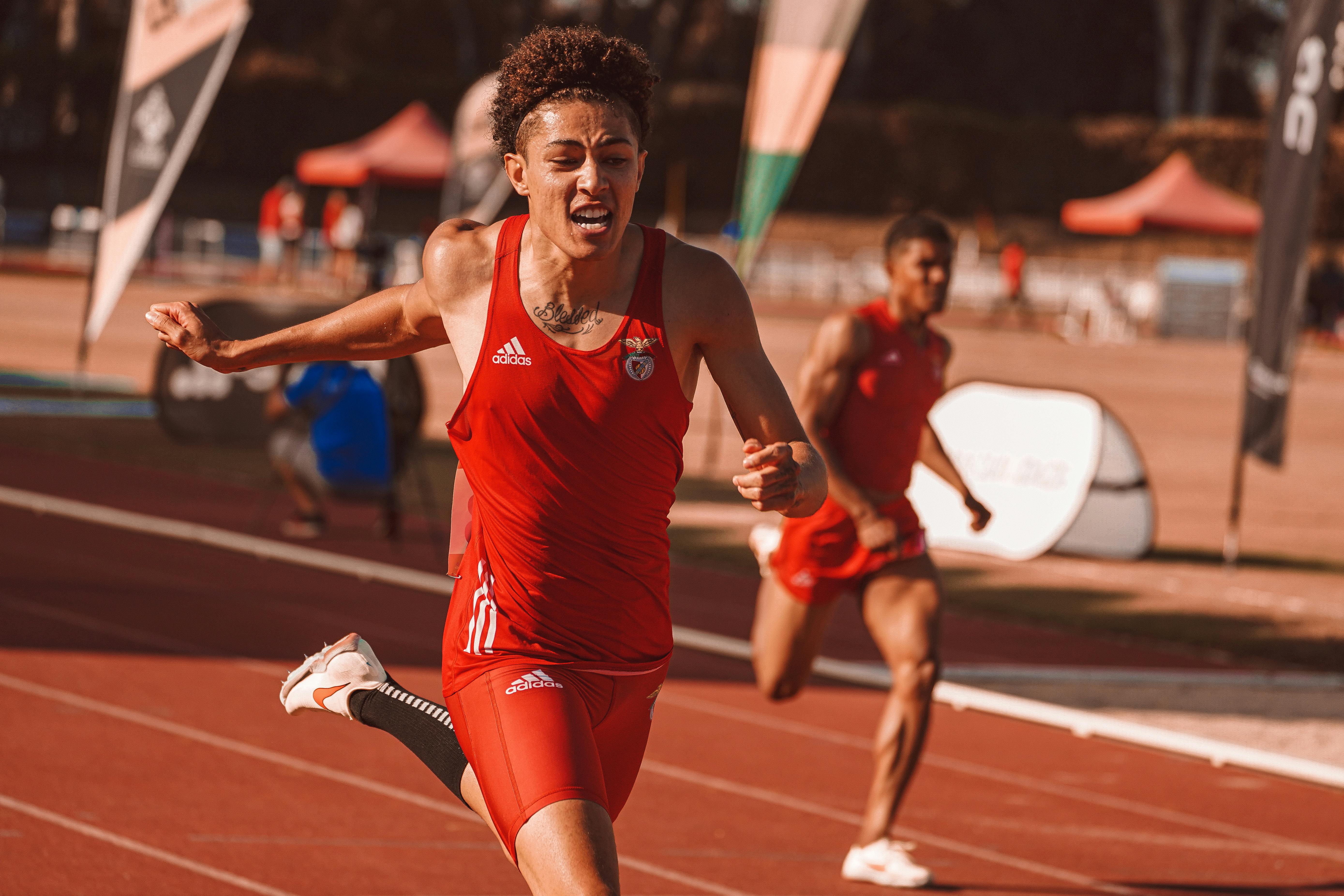
Athletes are often told that recovery is simple. Sleep more. Relax. Meditate. "Switch off" after competition. Yet for a great number of elite performers, recovery is not nearly as straightforward as wellness culture suggests.
Why Elite Athletes Often Struggle to Switch Off
Elite athletes are exceptionally disciplined so motivation is not the issue. The challenge is that the nervous system responsible for high-level performance does not instantly return to baseline when the race, match, or training session ends.
.jpeg)
- A goalkeeper leaving a stadium after 90 minutes of sustained vigilance may be physically exhausted but still neurologically activated.
- A sprinter returning to a hotel room after competition may feel deeply tired while simultaneously struggling to sleep.
Athletes frequently describe feeling “wired but tired,” particularly after evening competition, travel, or periods of intense pressure. Increasingly, research suggests that this is not psychological. It reflects the complex relationship between performance, autonomic regulation, stress physiology, and sleep.
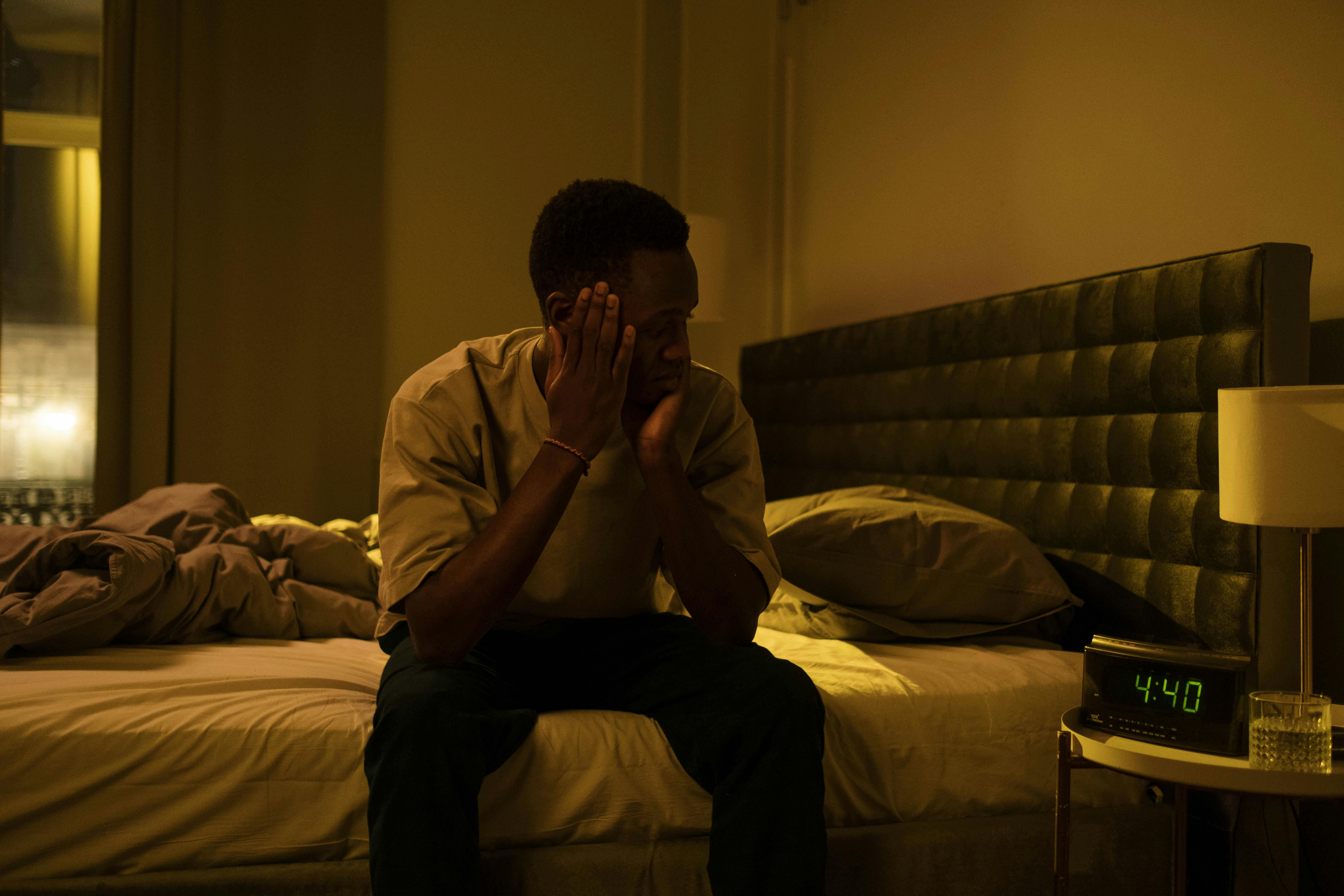
Sleep disturbance in athletes is remarkably common. Recent reviews have shown that athletes frequently experience poor sleep quality due to training schedules, competition timing, travel demands, cognitive arousal, and pre-competition stress (Hatia et al., 2024; Kaczmarek et al., 2025).
Elite sport requires repeated activation of systems associated with alertness, anticipation, reaction speed, and emotional control. These are not systems that simply disappear once physical exertion stops.
Much of mainstream wellness advice assumes that stress and recovery exist as opposites. The underlying message is often that athletes simply need to “calm down.” But elite performance depends upon precisely calibrated activation. Athletes train their bodies to tolerate pressure, intensity, sensory overload, rapid decision-making, and repeated sympathetic nervous system activation. In many cases, the same neurophysiological systems that support elite performance can also make recovery more difficult.
Recovery Is More Than Physical Rest
This is one reason why passive rest is not sufficient. The shift from hypervigilance to sleep, from competition mode to recovery mode, requires intentional regulation rather than simply the absence of activity.
Recent work examining exhaustive exercise and autonomic nervous system activity found significant increases in sympathetic activation following intense exertion, alongside disruption to normal autonomic balance (Wang et al., 2024).
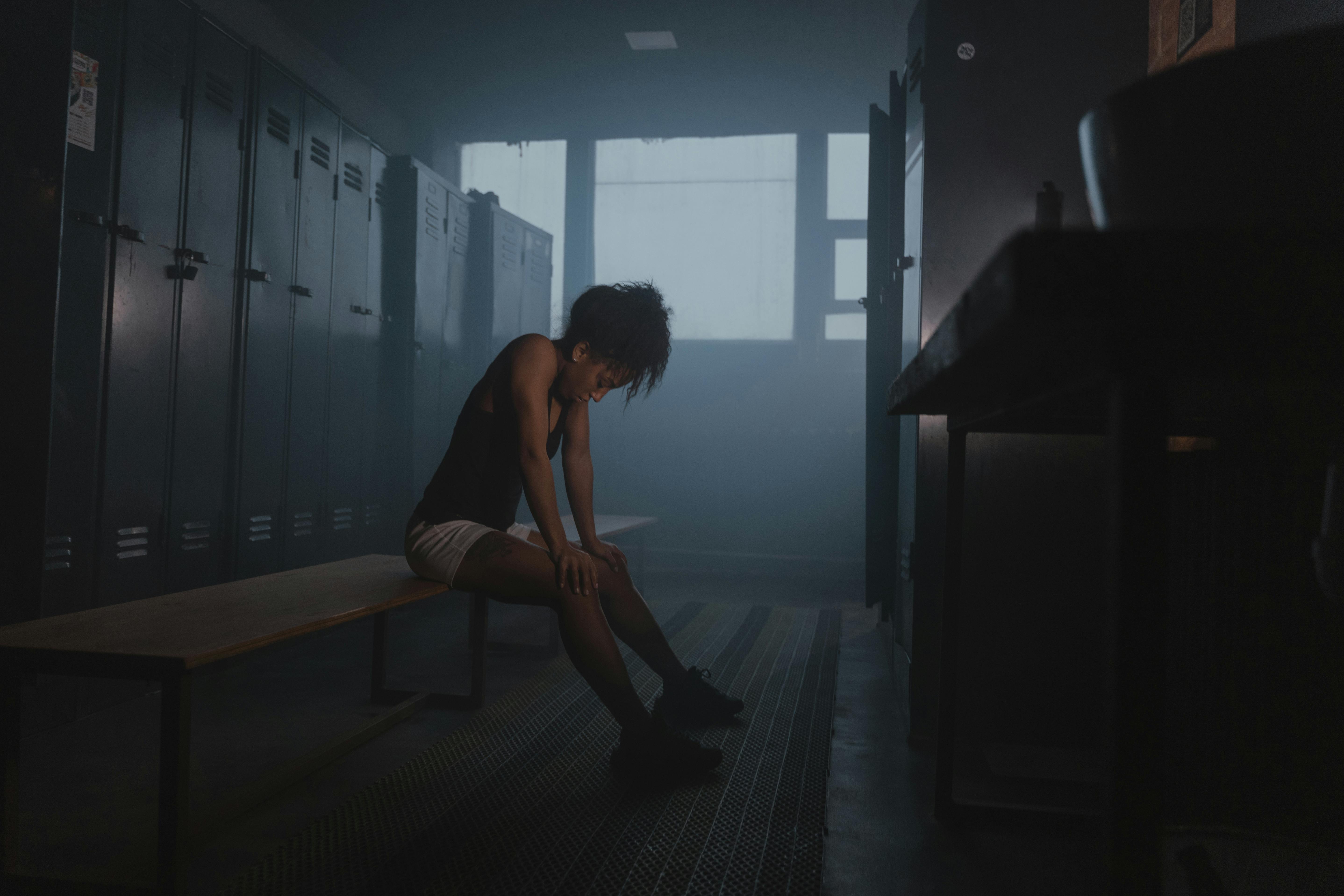
This is important because autonomic flexibility plays a major role in recovery, sleep onset, emotional regulation and physiological restoration. When the nervous system remains activated long after exertion has ended, recovery is less efficient - even in highly conditioned and driven athletes.
The Nervous System Cost of Elite Performance
This becomes visible in sports requiring sustained cognitive vigilance. Goalkeepers, combat athletes, Formula 1 drivers, and athletes competing under high uncertainty often experience prolonged anticipatory activation both before and after competition.
The body may stop moving, but the nervous system continues monitoring, anticipating, and processing.
In this context, simplistic advice to “just relax” can feel strangely disconnected from the realities of elite sport.
At the same time, athletes are increasingly recognising that recovery is not solely physical. Sleep quality, sensory environment, emotional decompression, and autonomic regulation are becoming central parts of performance conversations. Recent reviews have highlighted that sleep quality influences not only physical restoration but also cognitive performance, emotional processing, reaction time, injury risk, and training adaptation (Lundstrom et al., 2025; Hatia et al., 2024).
Sleep, Stress, and Athletic Recovery
Sound has historically played a role in state transition long before modern performance science attempted to quantify it. Humans have used rhythm, music, chanting, predictable auditory environments, and acoustic rituals for centuries to regulate emotion, prepare for action, and support recovery.
Increasingly, neuroscience is coming to understand how auditory environments can directly influence autonomic regulation, emotional pacing, and sensory predictability. And how to harness this on the go.
.png)
Sound, Regulation, and Recovery
For athletes, this evolution will become increasingly important in a world of constant stimulation.
Elite sport rarely exists in silence. Travel, media pressure, crowd noise, performance analysis, social media, and irregular schedules all place additional load on systems already operating at high intensity.
Recovery therefore becomes more than simply “doing less”, in a world where this is too big an ask. Rather it becomes about creating optimal conditions in which the nervous system can safely transition out of performance mode. And doing this without adding one more second to an already hectic schdule.
The Future of Athletic Recovery
At Audicin, we have found ourselves in conversation with athletes who recognise that the secret hack in recovery is training the nervous system.
Across multiple disciplines, there is growing interest in how sound, sleep, and nervous system regulation intersect with sustainable high performance. Over the coming months, we look forward to sharing more about how elite athletes are beginning to integrate these ideas into their routines using Audicin.
Elite sport will always involve pressure. The goal is not to eliminate activation. In many ways, activation is performance. The challenge is learning how to recover from it effectively enough to perform again tomorrow.
If you’d like to explore how sound and nervous system regulation can support your own recovery routine, you can discover the Audicin app and sleep headband ecosystem at Audicin. Whether you are preparing for competition, managing travel fatigue, or simply looking for better recovery between training sessions, Audicin is designed to help support the transition between performance and rest.
References
Hatia, M., Chawla, P., & Sinha, A. (2024). A narrative review of the impact of sleep on athletes: Sleep restriction causes and consequences, monitoring, and interventions. Cureus, 16(12).
Kaczmarek, F., et al. (2025). Sleep and athletic performance: A multidimensional review. Journal of Clinical Medicine, 14(21), 7606.
Lundstrom, E. A., et al. (2025). Sleep quality impacts training responses and performance. Sports Medicine - Open.
Wang, W., et al. (2024). Impact of exhaustive exercise on autonomic nervous system activity. Frontiers in Physiology, 15.