
Easy Recovery That Makes a Real Difference
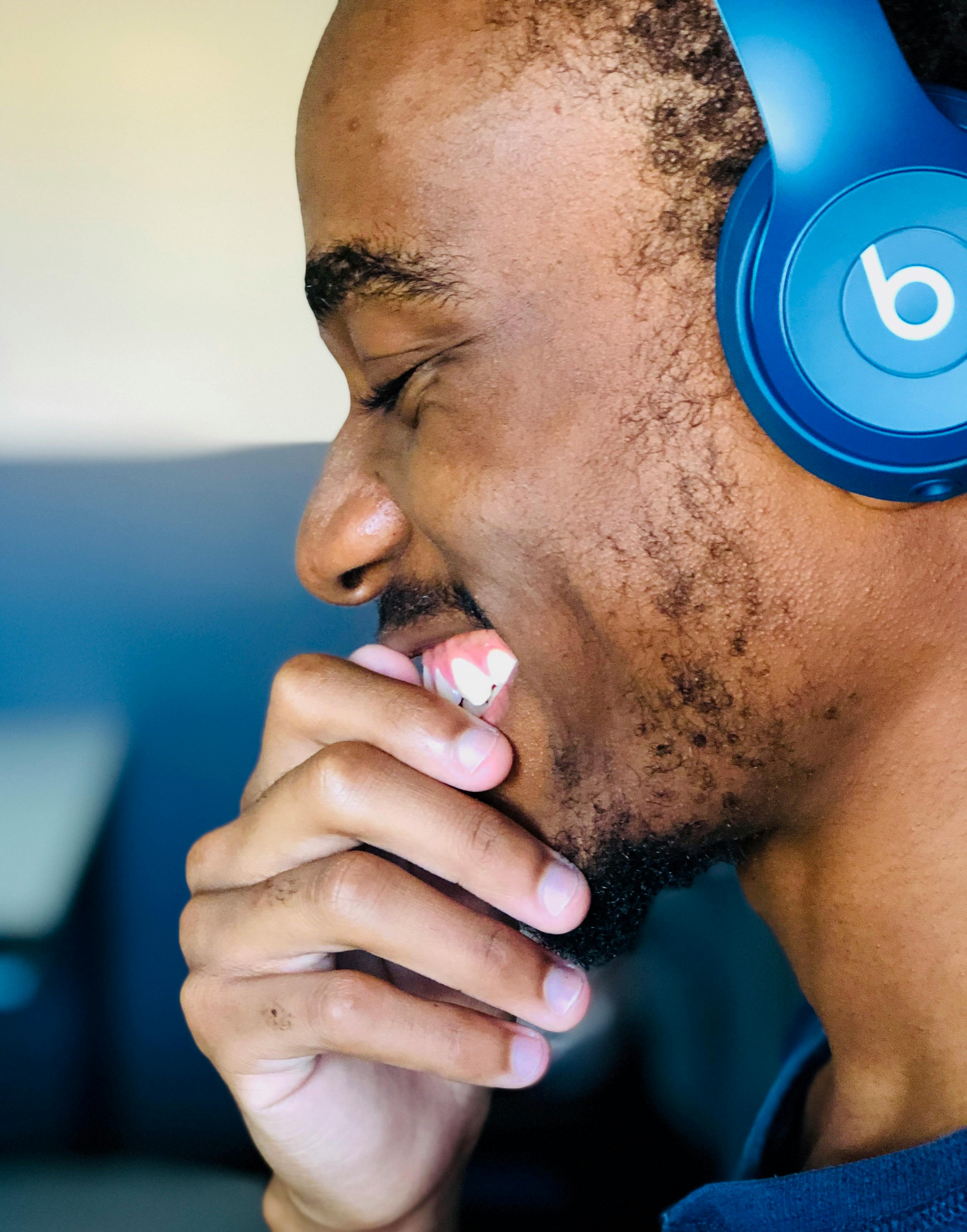
Recovery is often framed as something that happens after stress: finish the work, wrap up the training session, then recover.
From a biological perspective however, the nervous system does not distinguish between “work time” and “recovery time.” It adapts continuously to whatever state it occupies most often.
For many people, that state is frequently low-grade sympathetic activation: mental effort, vigilance, time pressure, and stimulation.

The result is not extreme stress, but prolonged activation without resolution.
Over time, this trains the autonomic nervous system to remain alert and reduces its ability to return efficiently to baseline.
This matters because recovery is not passive rest. It is an active physiological capacity, expressed most clearly through the heart.
The Heart as a Readout of Recovery Capacity
One of the most useful windows into recovery is heart rate variability (HRV).
HRV reflects beat-to-beat variation in heart rate and is strongly influenced by parasympathetic (vagal) input to the heart. What you want is higher HRV, higher variability. This is because a healthy, balanced system is not rigid, it is flexible, capable of accelerating and decelerating in response to changing demands.
By comparison rigidity - low HRV - reflects fragility, a system that isn’t able to react to either pace or peace.
Recent reviews confirm that reduced HRV is less about stress exposure and more about impaired autonomic regulation, specifically, a reduced ability to downshift after activation (Sammito & Böckelmann, 2024).
So it is not about being stressed, but about struggling to power down.
Wearable data, like my lovely Oura Ring, makes this visible. Do you ever see extended periods of physiological activation across the day, activity in the ‘stressed’ zone, even when you do not feel subjectively stressed ?
The issue is not peak intensity, but recovery latency, how long your system remains activated once a demand ends.

Why Reducing Stress Is the Wrong Target
Stress is not inherently harmful. It improves cardiovascular output, attention, and performance. The biological problem arises when stress cycles are not completed.
When recovery is insufficient on a regular basis, physiology begins to shift: resting heart rate rises, HRV decreases, sleep becomes lighter, and emotional regulation becomes more effortful. Over time, this increases cardiovascular load and reduces resilience.
Therefore, the goal should not be to eliminate stress, but to improve the efficiency of recovery mechanisms.
Micro-Recovery and the Biology of Downshifting
The most effective way to recover is not through occasional long interventions (i.e. waiting for the weekend or a holiday), but through frequent, brief parasympathetic inputs across the day.
I am going to refer to this as “micro-recovery”.
Micro-recovery moments repeatedly engage the same core mechanisms:
- Vagal signalling to the heart
- Respiratory sinus arrhythmia, where heart rate slows during exhalation
- Baroreflex function, which stabilises blood pressure and heart rate
The problem with most recovery techniques, breathwork and yoga for example, is not their effectiveness, it’s effort. They require attention, timing, and conscious engagement. On demanding days, the people who need recovery most are often least able to practice it consistently.
Audicin as Passive Micro-Recovery
Sound offers a powerful entry point into micro-recovery.
Auditory input reaches autonomic and limbic circuits of the brain rapidly, without requiring instruction or conscious control. Sound can measurably influence HRV and autonomic state, with effects shaped by structure rather than effort (Marsman et al., 2024).
This makes sound especially well-suited to micro-recovery.
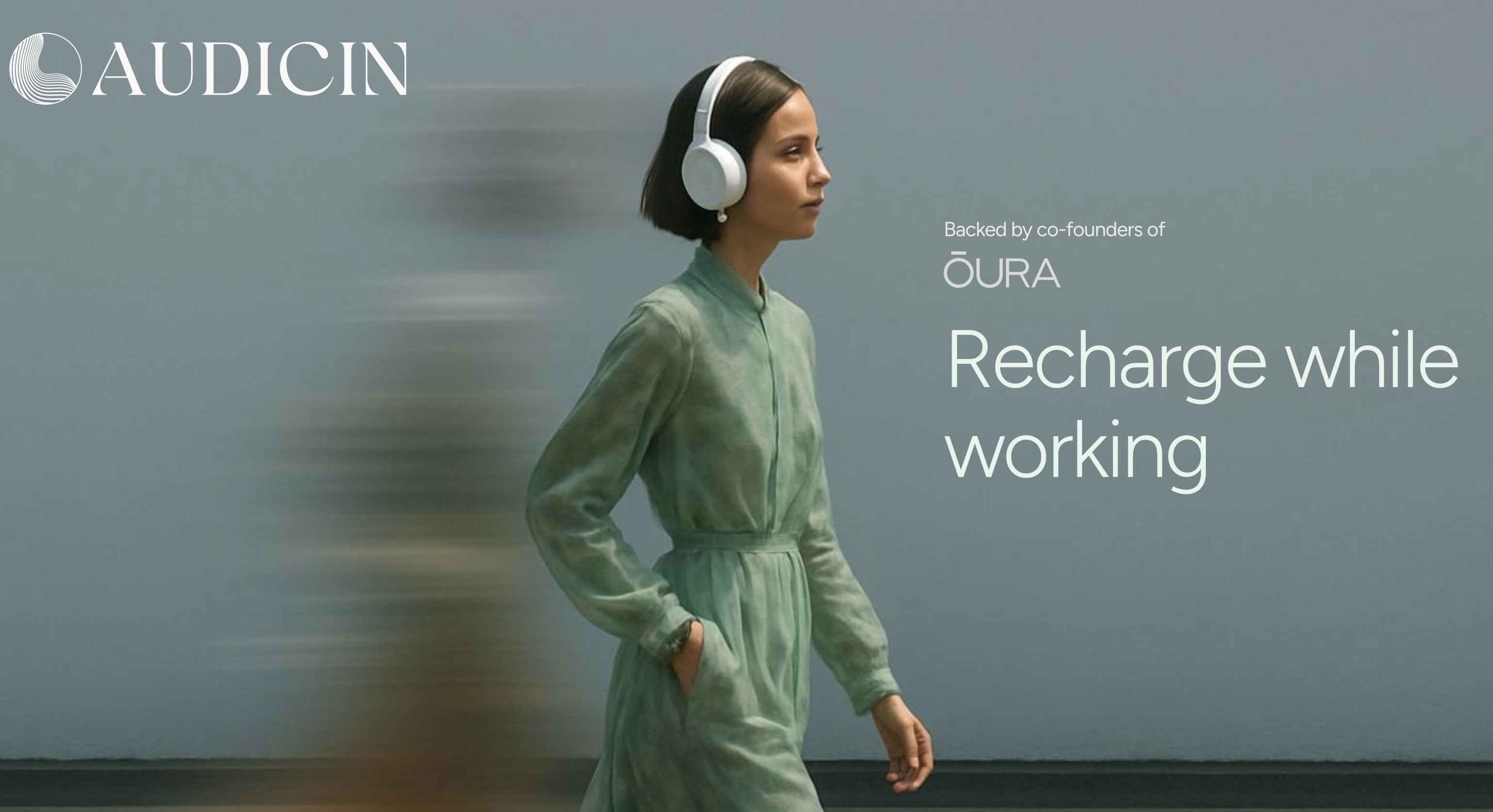
Audicin is designed around this principle. Short, structured sound sessions provide a passive parasympathetic signal that can run in the background - between tasks, after training, or before sleep - without posture, technique, or focus.
Biologically, the advantage is repetition. Recovery improves not through intensity, but through frequent exposure. By removing effort as a barrier, Audicin makes it easier for the nervous system to practice downshifting multiple times per day.
Over time, this trains faster recovery:
- Breathing slows automatically
- Heart rate settles more quickly
- HRV improves
- Sleep deepens
- The physiological cost of daily stress decreases
Other Simple Ways to Practice Micro-Recovery
While sound is one of the lowest-friction tools, micro-recovery can take many forms. Here are some other science-backed tips. The common requirement is not duration, but consistency.
1. Brief breathing pauses
Even one to two minutes of slower breathing, especially with a longer exhale, can nudge the autonomic system toward parasympathetic dominance. This works between tasks, not only during “relaxation time.”
2. Short, unstructured walks
Low-intensity movement increases circulation and helps resolve residual activation without adding additional stress. These walks are most effective when they are not treated as exercise, this is a stroll at a gentle pace. I love to combine my daily walks with Audicin to increase vagal impact. My favourite Audicin journeys include Nature Walk, Crisis Recovery, and Recover from Shift.
3. Morning daylight exposure
Spending a few minutes outdoors early in the day helps anchor circadian timing, supporting healthier cortisol rhythms and improved sleep later on (da Costa Lopes, 2025). Even if it is cloudy you are still getting far more light than normal indoor lighting can provide.
On days like today, when my dear son woke me at 3.30am, I love watching the sky turn pink with morning blush whilst listening to the Audicin journey ‘I Didn’t Sleep Well’. We made this binaural beat audio journey about 2 years ago now and still it never fails to help me recover my frazzled nerves after a rough night.
4. Pauses between transitions
Standing up, changing posture, or taking a single slow breath before starting the next task allows one stress cycle to complete before the next begins.
Each of these tips works for the same reason: they shorten recovery latency. Practiced repeatedly, they teach the nervous system that it does not need to remain on alert all the time.
Recovery: Start Small for Meaningful Gains
Micro-recovery throws out the traditional ‘work-reward’ conditioning cycle. In its place is a manageable biological process we can dip into regularly in order to allow performance, health, and cardiovascular resilience to remain sustainable.
We don’t need huge chunks of recovery time (although they can belovely !), as it turns out that small regular doses of micro-recovery are hugely valuable to our nervous system.
This is because the nervous system learns what it practices most. When recovery is practiced briefly, frequently, and with minimal effort, it becomes more second nature, more easily accessible even on demanding days.
If recovery feels out of reach, that’s often a sign of sustained load. Small, low-effort micro-recovery supports the nervous system to find its way back to balance, without asking more from you.
⸻
References
Giorgi, F. & Tedeschi, R (2025). Breathe better, live better: the science of slow breathing and heart rate variability.
da Costa Lopes., et al. (2025). Associations between real-life light exposure patterns and sleep behaviour in adolescents. Journal of Sleep Research.
Sammito, S., Thielmann, B., & Böckelmann, I. (2024). Update: factors influencing heart rate variability–a narrative review. Frontiers in Physiology.
Marsman, E. M. J., et al. (2024). Listen to your heart: The effect of music on heart rate variability. European Heart Journal, 45(Suppl. 1).